
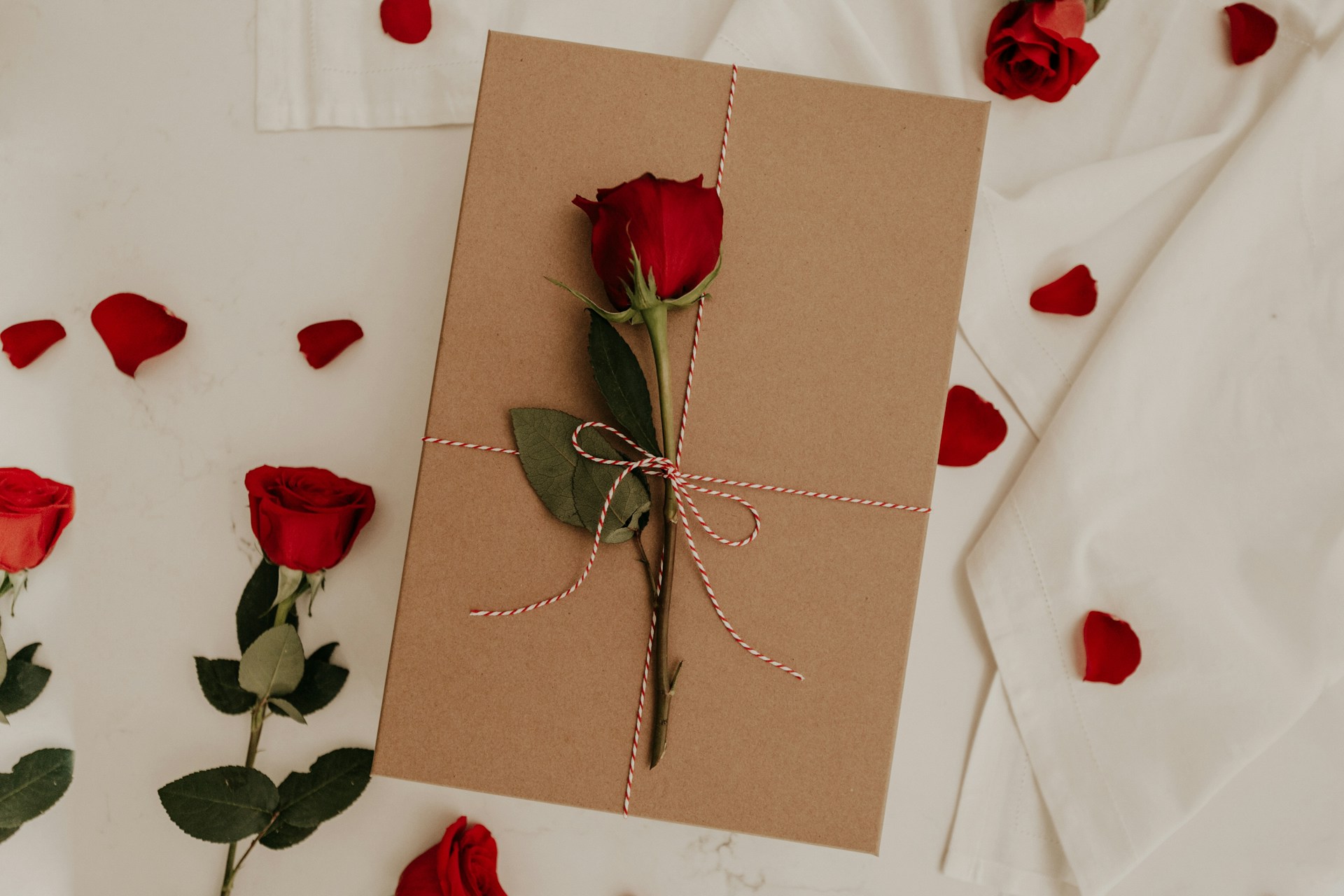
If you think Valentine’s Day is universally about candlelit dinners, roses, and mutual declarations of love, Japan might surprise you. A lot. On the surface, it looks familiar enough: heart-shaped packaging, pink displays in department stores, and chocolate absolutely everywhere. But once you scratch beneath that glossy wrapper, you realize that Valentine’s Day in Japan follows a completely different logic — one shaped by history, social harmony, and some very clever marketing.
In Japan, Valentine’s Day on February 14 isn’t primarily about couples exchanging gifts. Traditionally, it’s a day when women give chocolate to men. And not just to their romantic partners. Coworkers, bosses, classmates, friends are all potential recipients. Romance exists, yes, but it’s only one part of a much bigger, more complex cultural ritual.
For visitors experiencing their first Valentine’s Day in Japan, this can be genuinely confusing. Why is everyone buying chocolate? Why are women lining up at department stores? Why does your coworker hand you a small box with a polite smile, and what exactly are you supposed to do now?
Welcome to Valentine’s Day, Japan-style.
How Chocolate Companies Rewrote Romance in Japan
Unlike many traditional festivals in Japan, Valentine’s Day has no ancient roots. It arrived from the West in the early 20th century and gained real traction after World War II, when Japanese confectionery companies saw an opportunity. By the 1950s and 60s, chocolate makers began actively promoting Valentine’s Day as a time when women could express their feelings through gifts. Specifically, chocolate.
This wasn’t just about selling sweets. It was about reframing romance in a way that fit Japanese social norms. In a culture where direct emotional expression has historically been more reserved, chocolate became a safe, symbolic stand-in for feelings that might otherwise go unspoken.
Over time, what started as a marketing campaign solidified into a cultural event. Schools, offices, and media picked it up, added rules, and slowly built the version of Valentine’s Day that exists today. The result is a holiday that feels both deeply ingrained and oddly artificial.
Honmei-Choco: When Chocolate Means “I Love You”
At the heart of Valentine’s Day in Japan is honmei-choco, literally “true feeling chocolate.” This is the chocolate given to someone you genuinely love or have romantic feelings for. A boyfriend, husband, or secret crush.
Honmei-choco carries emotional weight. It’s often higher quality, carefully chosen, or even handmade. In fact, many people believe that handmade chocolate shows sincerity and effort, even if it doesn’t taste perfect. The message matters more than the presentation.
This is the version of Valentine’s Day that feels most familiar to Westerners: one person giving a gift to someone they love, hoping their feelings will be understood. But even here, there’s a quiet, understated quality. Confessions might be subtle. Emotions are implied rather than declared. The chocolate does a lot of the talking.
For teenagers especially, Valentine’s Day can feel like a high-stakes moment. Who gives honmei-choco to whom? Will it be accepted? What happens next? The emotional drama might be understated on the surface, but beneath it, there’s plenty of nervous excitement.
Giri-Choco: Chocolate for Co-Workers
Then there’s giri-choco — the concept that truly confuses outsiders. Giri-choco translates to “obligation chocolate,” and it’s given not out of romantic interest, but social duty. Coworkers, supervisors, clients, and classmates might all receive it.
The idea behind giri-choco is harmony. Giving chocolate acknowledges social relationships, smooths interactions, and avoids awkwardness. It’s less about affection and more about maintaining balance within a group.
For many foreigners working in Japan, this is where culture shock hits hardest. Receiving chocolate from a coworker can feel deeply personal if you’re not familiar with the custom. Is it flirting? A hint? A secret crush? Usually, the answer is simply: no. It’s just giri-choco.
Still, the system has its downsides. Many women express frustration at feeling pressured to buy chocolate for male coworkers — sometimes dozens of them — simply because it’s expected. Over the years, this has led to growing criticism of giri-choco as outdated, expensive, and emotionally draining.
When Valentine’s Day Becomes a Social Minefield
The complexity of Japan’s Valentine’s Day isn’t just about chocolate categories. It’s about interpretation. Who gets what? How much should it cost? Does skipping someone send a message? Does giving better chocolate imply favoritism?
These unspoken rules can turn Valentine’s Day into a quiet social minefield. Office workers debate strategies weeks in advance. Students compare notes. Department stores offer everything from affordable bulk chocolates to luxury boxes that look like jewelry cases.
For visitors and expats, watching this unfold can feel surreal. Valentine’s Day suddenly looks less like a romantic holiday and more like a carefully choreographed social exercise — one where chocolate plays the starring role.
White Day: Because Someone Has to Return the Favor
Just when you think Valentine’s Day is over, Japan adds a sequel. On March 14, exactly one month later, the country celebrates White Day.
White Day was introduced in the late 1970s, again by confectionery companies, as a way to encourage men to return gifts they received on Valentine’s Day. If you were given chocolate, you’re expected to respond. Doing nothing is generally considered impolite.
Traditionally, White Day gifts include white chocolate, marshmallows, cookies, or candies — though today, accessories, cosmetics, and even jewelry are common. The color white was originally chosen to symbolize purity, but over time, the symbolism has taken a backseat to variety and marketing.
The Pressure of “Returning the Right Gift”
White Day comes with its own expectations, and sometimes, its own stress. There’s an old saying called sanbai-gaeshi, meaning “triple return,” which suggests that the return gift should be two or three times the value of what was received.
While not everyone follows this rule strictly, the idea lingers. Men may feel pressure to choose gifts carefully, balancing cost, meaning, and social implications. What does a cookie mean versus jewelry? Does the choice send a signal about feelings?
To outsiders, this system can feel transactional — almost like romance with a receipt. But within Japanese culture, it fits into a broader emphasis on reciprocity. Gifts are conversations. Returning one properly shows awareness and respect.
A Different Take on Romance Than the West
Compared to Western Valentine’s traditions, Japan’s version feels structured and asymmetrical. In many Western countries, Valentine’s Day centers on couples exchanging gifts and affection equally. In Japan, the roles are split across two dates, with clear expectations attached to each.
This doesn’t mean romance is absent — it just operates differently. Japanese Valentine’s Day often emphasizes subtlety, thoughtfulness, and social context over grand gestures. Feelings are communicated quietly, through actions rather than words.
That difference can feel refreshing or confusing, depending on your perspective. Some visitors find the system charming and thoughtful. Others see it as overly complicated. Both reactions are valid.
The Chocolate Economy and the Power of Marketing
One thing is undeniable: Valentine’s Day and White Day are big business in Japan. Department stores transform entire floors into chocolate fairs. Specialty brands release limited editions. Lines form weeks in advance.
Interestingly, many of the most expensive chocolates are bought not for others, but for oneself. Jibun-choco, or “self-chocolate,” has become increasingly popular, reflecting changing attitudes toward self-care and indulgence.
What began as a marketing strategy has evolved into a seasonal ritual that people actively participate in — even if they complain about it. Japan has a unique talent for turning commercial ideas into cultural habits.
How Valentine’s Day in Japan Is Changing
Like many traditions, Japan’s Valentine’s Day isn’t static. Younger generations are pushing back against obligation chocolates. Some companies actively discourage gift exchanges to reduce pressure. Gender roles are slowly shifting.
Friend-based chocolate exchanges, self-gifting, and casual interpretations of the holiday are becoming more common. While the classic rules still exist, fewer people treat them as mandatory.
In this way, Valentine’s Day in Japan reflects broader social change — a negotiation between tradition, expectation, and individual choice.
Love, Chocolate, and Cultural Translation
Valentine’s Day in Japan isn’t just about romance. It’s about relationships of all kinds: professional, social, and personal. Chocolate becomes a tool for communication, a symbol that says different things depending on context.
For visitors, it’s a fascinating window into how Japanese society balances emotion and etiquette. For locals, it’s a familiar — sometimes annoying, sometimes enjoyable — seasonal event.
Either way, it proves one thing: when Japan adopts an idea from abroad, it rarely copies it directly. It adapts it, reshapes it, and gives it layers of meaning you wouldn’t expect.
And in Japan, love just happens to taste like chocolate.
Leave a Reply