
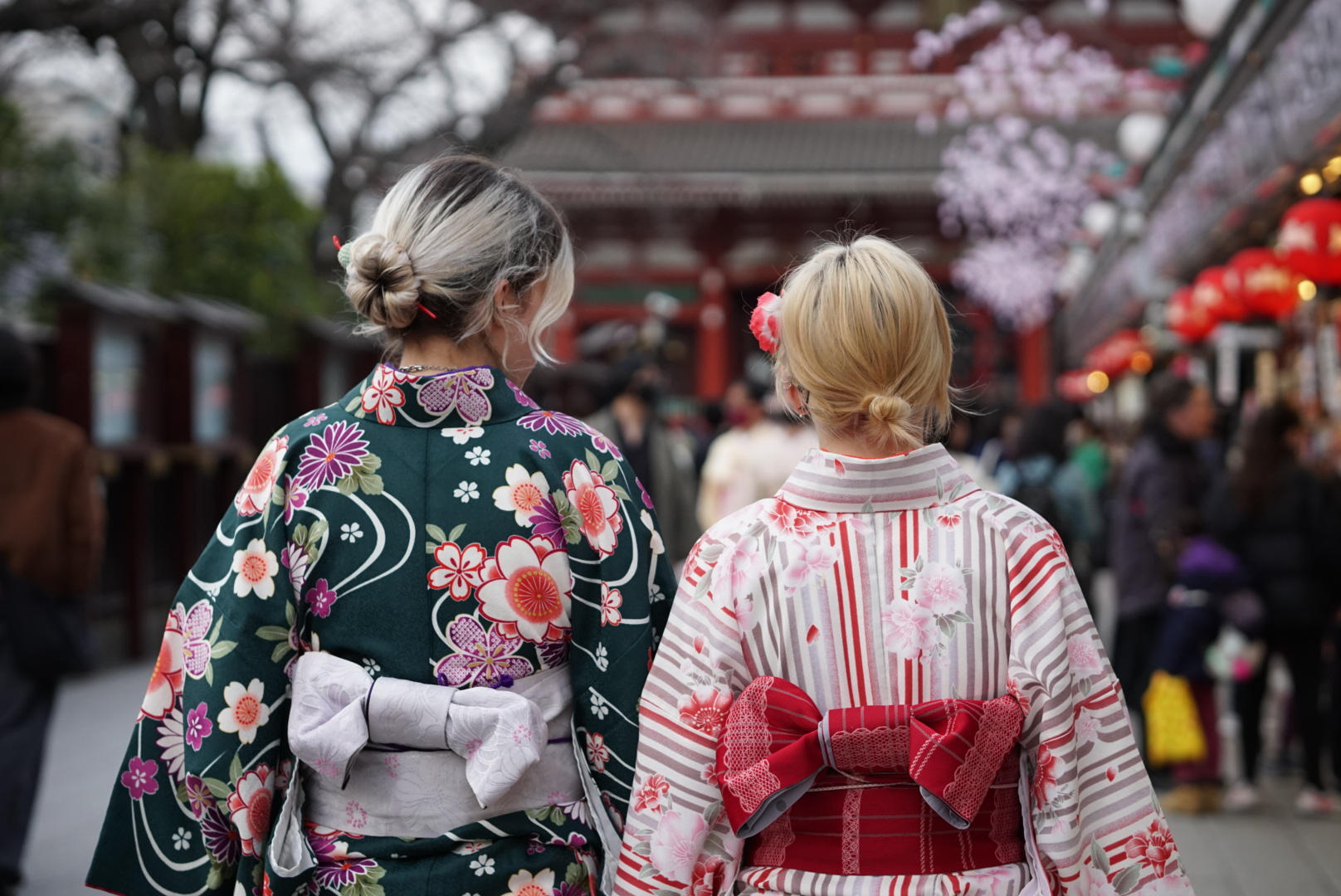
Every spring, Japan transforms into a dreamlike landscape of pink and white as cherry blossoms bloom across the country. This breathtaking phenomenon is celebrated with a tradition called hanami (花見) — literally “flower viewing.” Hanami is more than just admiring flowers; it is a cultural ritual that connects people with nature, history, and the cycle of life.

From centuries-old gardens to rivers lined with flowering cherry trees, hanami offers a chance to slow down, gather with loved ones, and reflect on the fleeting beauty of life. But what exactly does hanami mean, where did it originate, and why has it become such an essential part of Japanese culture?
What is Hanami?
Hanami is the Japanese practice of gathering under blooming cherry trees to appreciate their beauty. While cherry trees (sakura) are the most iconic, plum blossoms (ume) also have their own hanami season in early spring, often signaling the very first hints of warmer weather. Traditionally, people would write poetry, drink sake, and enjoy the delicate flowers, and today, the spirit of hanami remains the same: celebration, connection, and appreciation of nature’s transient beauty.

Hanami is both social and contemplative. Parks become lively with groups sharing bento boxes and laughter, while quieter gardens invite visitors to stroll, take photos, or simply sit and watch petals drift in the wind. The atmosphere changes depending on the location: some spots are festive and crowded, while others offer serenity and introspection.
Origins of Hanami
The tradition of hanami dates back over a thousand years to the Heian period (794–1185). Originally, it was a practice among the aristocracy in Kyoto, who would gather under blooming cherry trees to enjoy the fleeting beauty of the season, compose poetry, and drink sake. At the time, plum blossoms were actually more popular than cherry blossoms, but sakura gradually took center stage as the symbol of spring.

By the Edo period (1603–1868), hanami had become widespread among the general public. Urban parks, castle grounds, and riversides were planted with cherry trees to encourage public enjoyment, making hanami a truly nationwide tradition. Even today, the Japanese government tracks the blooming of sakura trees each year, issuing forecasts that are eagerly awaited by locals and tourists alike.
What Do Japanese People Do During Hanami?
Hanami is often a festive, social event, blending food, drink, music, and conversation with the visual pleasure of cherry blossoms:
- Picnicking under the trees: Groups of friends, families, and coworkers lay out blue tarps and enjoy bento boxes, seasonal snacks, and treats such as sakura mochi (sweet rice cakes wrapped in cherry leaves).
- Drinking sake and tea: Traditionally, sake was an essential part of hanami, used for toasting the blossoms and celebrating the arrival of spring. Nowadays, beer, wine, and even soft drinks are enjoyed during hanami gatherings.
- Night-time hanami (yozakura): Some parks and temples illuminate cherry trees after dark, creating a magical and ethereal experience known as yozakura, perfect for romantic strolls or evening photography.
- Photography and appreciation: Many visitors take this time to capture memories, practice sketching, or simply reflect quietly under the petals. Hanami is as much about inner contemplation as it is about socializing.

Hanami is also linked with life events such as sotsugyō (卒業, graduation) and career transitions. The cherry blossoms’ short lifespan mirrors the impermanence of life, making it a poignant time to celebrate beginnings, farewells, and personal milestones.
Symbolism of Hanami
Cherry blossoms hold deep cultural significance in Japan. They are a visual metaphor for the transient nature of life, reminding people to cherish every moment. The blossoms’ short blooming period—often only a week or two—symbolizes ephemeral beauty and the inevitability of change.
Spring is also the start of the school and fiscal year in Japan, so hanami coincides with new beginnings. Graduations, job changes, and new school terms all take place under sakura trees, making the season a time of both reflection and optimism. For many Japanese people, hanami represents a chance to reset, reconnect, and embrace the future.

Understanding the Sakura Forecast: First Bloom vs. Full Bloom (Mankai)
One unique aspect of hanami is that it is closely tied to nature’s timing. The sakura forecast is eagerly awaited every year in Japan, as the precise dates of cherry blossom blooming vary depending on weather and location.
- First bloom (kaika, 開花): This is when the first few blossoms open. It signals the start of the cherry blossom season and is often used to mark the beginning of hanami activities. Some early risers visit the first-blooming trees to enjoy the delicate, emerging flowers before the crowds arrive.
- Full bloom (mankai, 満開): Mankai refers to the stage when most blossoms have fully opened, creating the iconic sea of pink and white. This is the ideal time for hanami picnics, photography, and strolls, as the trees are at their peak beauty.

Source: https://sakura.weathermap.jp/en.php
The timing between first bloom and full bloom can be very short, sometimes just a week, which makes the sakura forecast crucial for planning. Japan Meteorological Agency and many local news outlets provide weekly updates, predicting the best viewing times in major cities. For Tokyo, full bloom usually occurs between late March and early April, depending on the year. Understanding kaika and mankai ensures you catch the blossoms at their most breathtaking moments.
Popular Hanami Spots in Tokyo
Tokyo offers countless cherry blossom spots, from iconic parks to hidden gardens. Whether you are seeking lively crowds or quiet contemplation, the city has something for every hanami enthusiast.

Must-See Locations
- Ueno Park: Perhaps Tokyo’s most famous hanami spot, Ueno Park is home to over 1,000 cherry trees along wide walking paths. The park fills with lively picnickers, street food vendors, and music, making it ideal for festive hanami gatherings.
- Shinjuku Gyoen: A large garden blending Japanese, English, and French styles, Shinjuku Gyoen offers a more peaceful hanami experience, perfect for strolling and photography.
- Chidorigafuchi: Located along the moat of the Imperial Palace, this area features a scenic cherry blossom-lined canal. Rowboats can be rented for a unique perspective of the blooms, and evening illuminations make for magical yosakura.
- Sumida Park: Offering spectacular views of Tokyo Skytree framed by cherry trees, Sumida Park is great for photography and daytime strolls.
Hidden Gems
- Kyu-Furukawa Gardens: A mix of European-style gardens and Japanese landscaping, this spot is quieter and ideal for contemplative hanami.
- Meguro River: Lined with cherry trees along a canal, the Meguro River is less crowded early in the morning, providing stunning reflections in the water.
- Noborito (Nikaryo): A scenic river seamed with cherry blossom trees, similar to Meguro river promenade but without the crowds. You will see families and locals gathering on the river banks.
- Rikugien Gardens: A traditional Edo-period garden offering serene hanami experiences, particularly beautiful when illuminated at night.
- Koishikawa Korakuen: One of Tokyo’s oldest gardens, Koishikawa Korakuen provides a tranquil retreat with picturesque cherry trees and meandering pathways.
Tips for Enjoying Hanami
- Plan ahead: The sakura bloom for just a couple of weeks each year, usually between late March and early April in Tokyo. Check forecasts for the best viewing times.
- Arrive early for popular spots: Iconic locations like Ueno Park fill quickly on weekends. Morning visits offer a more peaceful experience.
- Pack a picnic and blanket: Even small snacks or drinks can make your hanami more enjoyable.
- Respect the environment: Avoid stepping on flower beds, clean up after yourself, and follow local etiquette to preserve the beauty for everyone.
- Explore off the beaten path: Some of Tokyo’s lesser-known gardens offer equally stunning blossoms without the crowds, ideal for photography and reflection.

Hanami Beyond the Flowers
Hanami is not just about cherry blossoms—it’s about community, mindfulness, and embracing the fleeting beauty of life. The tradition encourages people to gather, celebrate, and reflect, reminding us that life, like the blossoms, is temporary and precious. For travelers, participating in hanami provides an authentic glimpse into Japanese culture and a chance to connect with locals in one of the most universally cherished traditions in Japan.
Whether you’re enjoying a lively picnic under the blooming trees in Ueno Park, strolling quietly through the European-style Kyu-Furukawa Gardens, or rowing a boat along the illuminated Chidorigafuchi moat, hanami offers a unique way to experience the magic of Tokyo in spring.

Hanami is a Japanese tradition that celebrates nature, beauty, and the impermanence of life. It is a time to connect with friends and family, to reflect on new beginnings, and to appreciate the fleeting moments of joy that define the human experience. Tokyo’s blend of bustling parks and serene gardens makes it the perfect city to experience hanami, whether you seek social gatherings, peaceful reflection, or stunning photography. Understanding the sakura forecast, and knowing the difference between first bloom (kaika) and full bloom (mankai), ensures you witness the cherry blossoms at their peak. Visiting Japan during hanami season is not just sightseeing—it’s participating in a living, cultural celebration of renewal, connection, and the beauty of impermanence.
Leave a Reply